Reliable Comfort Starts Here
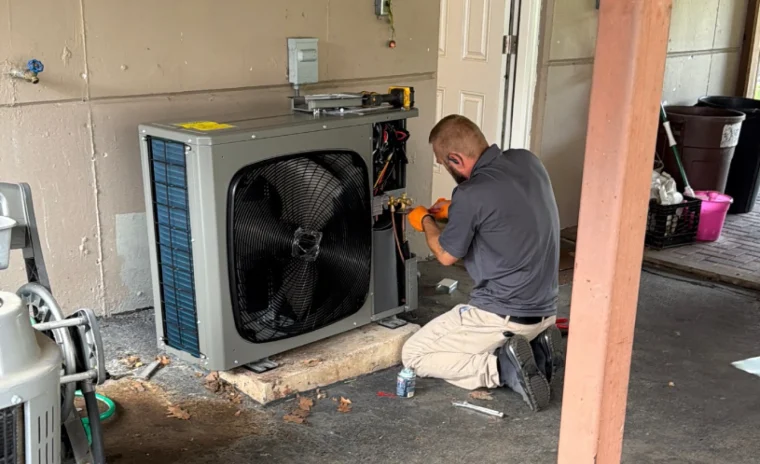
Schedule Professional Maintenance Before Winter Arrives
Pennsylvania homeowners face temperature swings that can drop from mild autumn afternoons into sub-freezing nights within hours. When a heating system fails on a January morning with temperatures near zero, emergency service calls often cost two to three times more than scheduled maintenance visits. Furnaces and heat pumps that run continuously through months of cold weather develop wear patterns that go unnoticed until a component fails under peak demand.
Early-season preparation catches small issues before they escalate. A blower motor bearing that makes faint noise in October will likely seize completely in December when the system runs for extended cycles. Cracked heat exchangers, clogged condensate drains, and failing ignition systems reveal themselves during inspections performed before the heating season begins, allowing homeowners to schedule repairs at standard rates rather than paying premium emergency fees.
Seasonal preparation also improves energy efficiency. Systems tuned before heavy use consume less fuel and electricity, reducing monthly bills throughout winter. Filters replaced in early fall capture dust and pollen before heating cycles recirculate stale indoor air, directly improving comfort and air quality during months when windows stay closed.
Replace Filters and Clear Ventilation Pathways
The most effective way to prepare your heating system for extreme weather is to schedule a comprehensive maintenance visit with qualified HVAC technicians. A thorough pre-season inspection identifies potential failures before temperatures drop, ensuring your system operates reliably when you need it most.
Professional maintenance typically includes cleaning heat exchangers, inspecting electrical connections, testing safety controls, calibrating thermostats, and verifying proper airflow. These tasks require specialized tools and expertise that most homeowners simply do not possess. Technicians can detect subtle issues like hairline cracks in heat exchangers, worn blower motor bearings, or corroded electrical terminals that would likely cause system failures during the coldest nights.
In Newtown Square and throughout Montgomery County, heating systems face significant demands during winter months. A well-maintained furnace or heat pump operates more efficiently, reducing energy costs while delivering consistent comfort. Systems that receive annual professional attention typically last several years longer than neglected equipment, making maintenance an investment rather than an expense.
Schedule your maintenance appointment at least four to six weeks before the first hard freeze. This timing allows flexibility if repairs are needed and ensures availability before HVAC contractors enter their busiest season. Waiting until the first cold snap often means longer wait times and the possibility of spending uncomfortable days without heat while awaiting service.
Test Your System and Prepare for Temperature Extremes
Air filter replacement represents one of the simplest yet most impactful steps homeowners can take to prepare for winter. Dirty filters restrict airflow, forcing your heating system to work harder and consume more energy while delivering less warmth. During fall and winter, when systems run continuously for hours each day, a clogged filter can reduce efficiency by 15 percent or more.
Inspect your filter monthly during heating season and replace it when it appears dirty or every 30 to 90 days, depending on your filter type and household conditions. Homes with pets, occupants with allergies, or high dust levels require more frequent changes. Consider upgrading to higher-efficiency filters that capture smaller particles, improving indoor air quality services while protecting your equipment from dust accumulation.
Beyond filters, ensure all supply and return vents throughout your home remain unobstructed. Furniture, curtains, and storage boxes commonly block vents, disrupting proper airflow and creating uneven heating. Walk through each room and verify that vents have at least six inches of clearance. This simple step helps your system distribute warmth evenly and prevents strain on the blower motor.
Clean vent covers and registers to remove accumulated dust that can be blown into living spaces when the system starts. A quick wipe with a damp cloth takes only minutes per vent but significantly improves indoor air quality. For homes with duct cleaning needs, professional services remove years of accumulated debris that standard filter changes cannot address, particularly beneficial for households with respiratory sensitivities.
When to Call for Service Before the First Cold Snap
Before temperatures plunge, conduct a test run of your heating system. Set your thermostat several degrees above the current temperature and listen as the system starts. The equipment should ignite smoothly, circulate air within a few minutes, and deliver warm air from all vents. Unusual sounds, burning odors beyond the brief smell of dust burning off, or weak airflow indicate problems requiring attention before winter arrives.
Pay attention to how evenly your system heats different areas of your home. Significant temperature variations between rooms may signal duct leaks, insulation deficiencies, or thermostat placement issues. Addressing these concerns before winter improves comfort and efficiency. A properly functioning system should maintain consistent temperatures throughout your living spaces without constant cycling on and off.
Prepare for extreme weather events by identifying your system’s emergency shut-off locations and understanding basic troubleshooting steps. Know where your circuit breakers and fuel shut-offs are located. Keep the area around your furnace or air handler clear of storage items, both for safety and to ensure adequate ventilation. Have a backup heating plan for potential extended outages, whether portable heaters, a fireplace, or a designated warm room strategy.
Consider upgrading older thermostats to programmable or smart models that optimize heating schedules and alert you to system problems. Modern thermostats can detect abnormal run times or temperature fluctuations that indicate developing issues, allowing you to address problems before complete system failure occurs.
If your system shows any signs of struggle during testing or if it has been more than a year since professional service, contact experienced HVAC contractors for a thorough evaluation. Taking action now, while weather remains mild, prevents the discomfort and expense of emergency heating system repair during the coldest days of winter. Our team serves Newtown Square, Wayne, West Chester, and surrounding communities with comprehensive HVAC maintenance service designed to keep your system operating reliably all season long.
Verify Thermostat Settings and Upgrade Outdated Controls
Certain warning signs indicate your heating system requires immediate attention from qualified HVAC technicians before winter arrives. If you notice unusual sounds such as grinding, squealing, or banging when the system runs, these often signal worn components that will fail under sustained cold-weather operation. Inconsistent heating across rooms, frequent cycling on and off, or a noticeable increase in utility bills compared to previous fall seasons all point to efficiency problems that will worsen when outdoor temperatures drop below freezing.
Pennsylvania winters demand reliable heating, and minor issues in October become major emergencies by December. Delayed ignition, where the burner takes several seconds to light after the thermostat calls for heat, indicates problems with the ignition system or gas valve that require professional diagnosis. Similarly, if you detect unusual odors beyond the brief “burning dust” smell during the first few runs, or if humidity levels inside your home feel unusually high or low, your system may have ventilation or combustion issues that compromise both safety and performance.
Homeowners who address these signs early through scheduled HVAC service and repair avoid the stress and expense of emergency calls during peak heating season. A pre-winter service visit allows technicians to diagnose problems when parts are readily available and scheduling is flexible, rather than waiting in line behind other emergencies when temperatures fall to single digits. Contact us to schedule a comprehensive system evaluation and ensure your home stays warm and comfortable all winter long.